The Language of Battle Royale: How Shared Vocabulary Defines Squad Culture
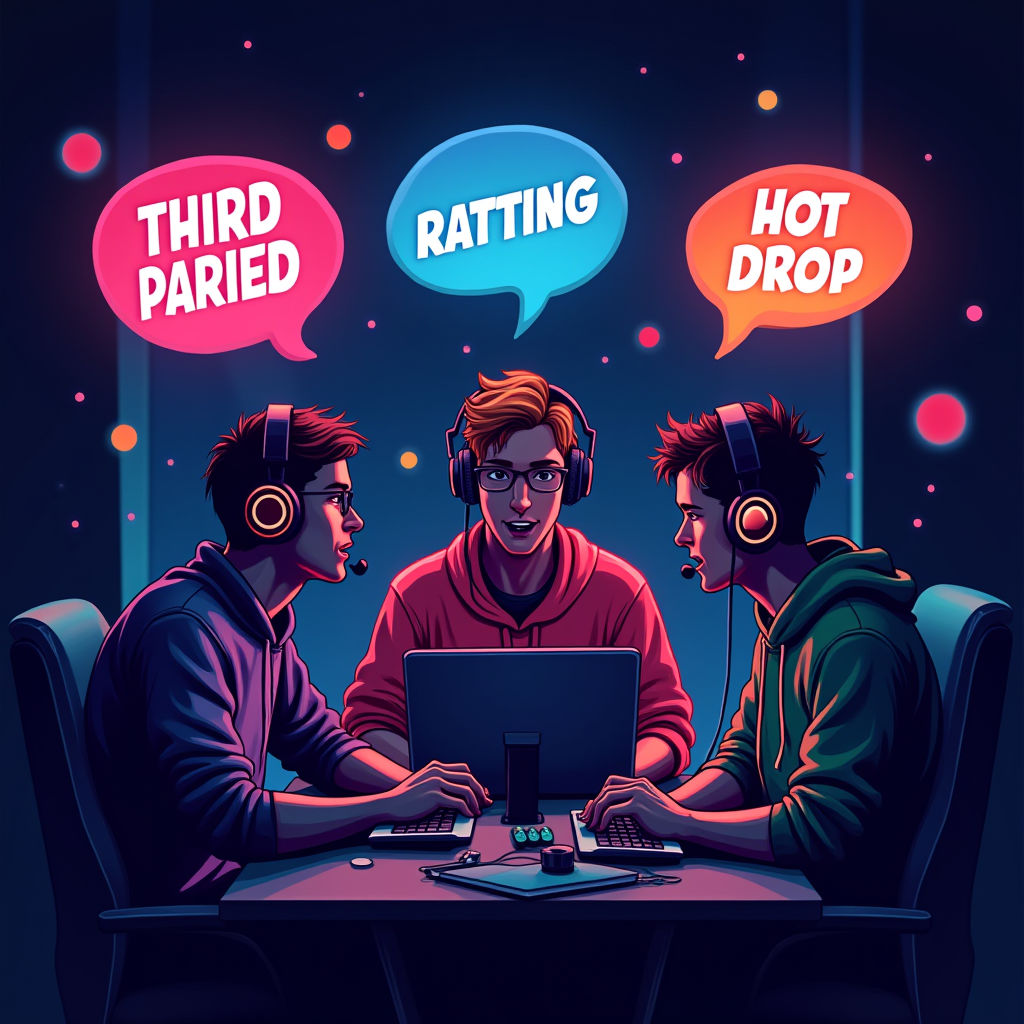
In the chaotic world of battle royale games, where 100 players drop onto an island and fight until only one remains, communication is everything. But it's not just about calling out enemy positions or coordinating attacks—it's about speaking a language that only fellow players truly understand. Terms like "third-partied," "ratting," and "hot drop" have become more than just tactical callouts; they're the building blocks of a shared vocabulary that defines player strategies, expresses collective frustrations, and creates the unique social dynamics of squad-based competitive gaming.
This specialized language has evolved organically across games like Fortnite, Apex Legends, PUBG, and Warzone, creating a linguistic ecosystem that transcends individual titles. Understanding this vocabulary isn't just about knowing what words mean—it's about being part of a community, sharing experiences, and navigating the complex social landscape of competitive gaming. Let's dive deep into how battle royale terminology has shaped gamer culture and created a sense of identity and belonging among millions of players worldwide.
The Birth of Battle Royale Slang: From Necessity to Identity
Battle royale games created an unprecedented need for rapid, precise communication. When you're in the middle of a firefight with multiple squads converging on your position, there's no time for lengthy explanations. This pressure cooker environment gave birth to a lexicon of shorthand terms that could convey complex tactical situations in seconds. What started as practical necessity quickly evolved into something more profound—a shared language that marked you as part of the community.
The term "third-partied" perfectly exemplifies this evolution. Originally coined to describe the frustrating scenario where two squads fighting each other get ambushed by a third squad swooping in to clean up weakened opponents, it has become shorthand for one of battle royale's most defining experiences. When a player says "we got third-partied," they're not just describing what happened—they're invoking a shared understanding of that specific type of frustration, the tactical miscalculation, and the chaotic nature of battle royale gameplay itself.
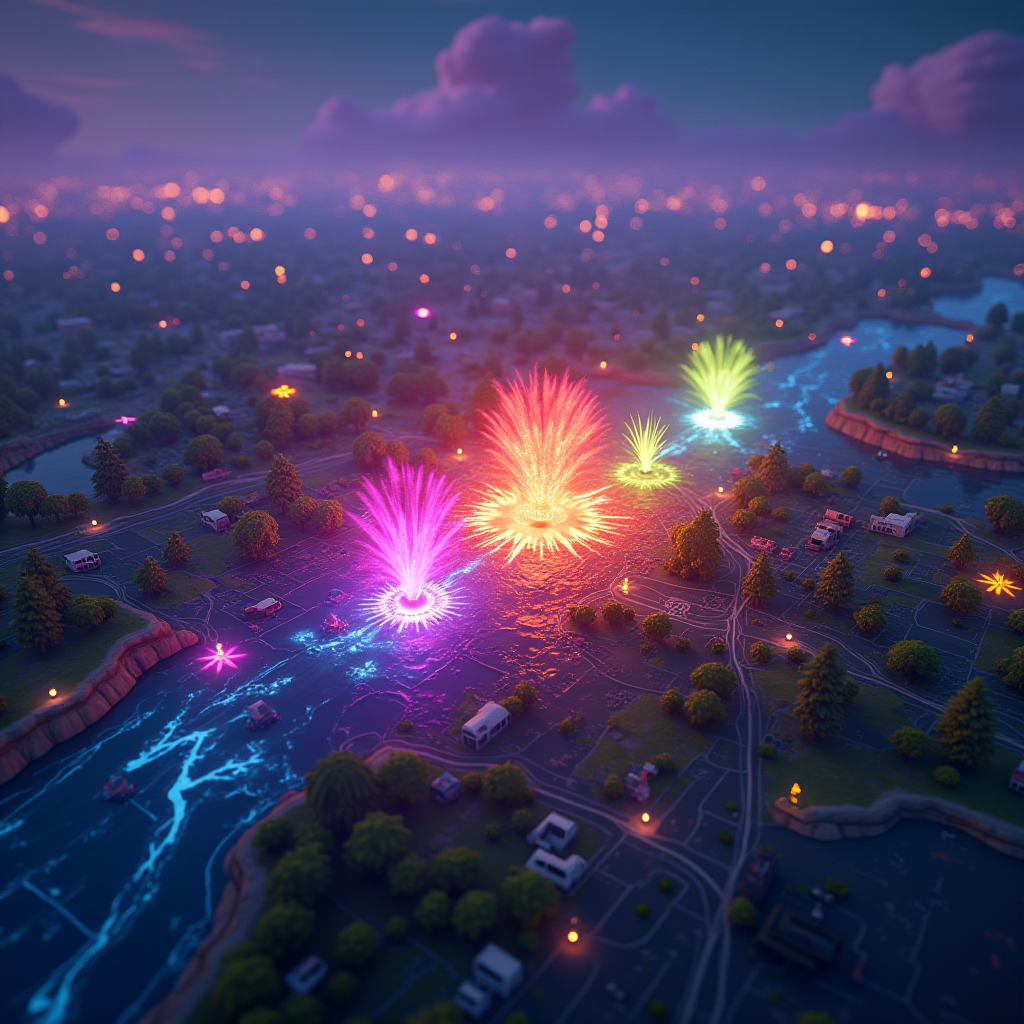
Similarly, "hot drop" emerged as a way to describe landing in high-traffic, high-loot areas at the start of a match. But it's more than a location descriptor—it's a declaration of intent, a playstyle choice, and often a personality indicator. Players who prefer hot drops are seen as aggressive, confident, and willing to risk early elimination for the chance at better gear and more action. The phrase has become so embedded in gaming culture that it's used metaphorically outside of gaming contexts, describing any situation where someone deliberately chooses the risky, action-packed option.
This linguistic evolution reflects how gaming communities create identity through language. Using these terms correctly signals insider status—you're not just someone who plays battle royale games, you're someone who understands the culture, the strategies, and the shared experiences that define the genre. It's a form of social currency that helps players connect with strangers, build squad chemistry, and feel part of something larger than themselves.
Strategic Terminology: The Tactical Language of Survival
Beyond the most famous terms, battle royale games have developed an extensive tactical vocabulary that reveals the depth and complexity of competitive play. "Ratting," for instance, describes a survival strategy where players avoid combat and hide until the final circles, prioritizing placement over kills. While some view it as a legitimate strategy for climbing ranked ladders, others see it as cowardly or boring. The term itself carries judgment—calling someone a "rat" isn't neutral, it's loaded with community attitudes about how the game "should" be played.

"Rotating" has become essential vocabulary for describing movement between safe zones as the circle shrinks. But experienced players use it with nuance—there's "early rotating" (moving to the next circle before you have to), "late rotating" (waiting until the last moment), and "griefing rotations" (deliberately blocking other teams' paths). Each variation communicates not just what you're doing, but your strategic philosophy and risk tolerance. When a squad leader says "we need to rotate early," they're making a tactical decision that the whole team immediately understands without lengthy explanation.
The concept of "thirsting" or "finishing" downed opponents has sparked countless debates in the community. These terms describe killing a knocked player instead of using them as bait for their teammates. The language around this action reveals community values—"thirsting" sounds desperate and petty, while "securing the kill" sounds tactical and justified. The same action, different framing, different social implications. This linguistic choice reflects ongoing discussions about sportsmanship, strategy, and the unwritten rules of engagement in battle royale games.
Terms like "beam," "laser," "one-clip," and "crack" have become standard for describing combat effectiveness. "I beamed that guy" means you hit every shot with perfect accuracy. "One-clip" means you eliminated someone with a single magazine. "Cracked" means you broke someone's shields. These terms aren't just descriptive—they're celebratory, turning successful plays into shareable moments that reinforce skill and create memorable squad experiences. The language itself amplifies the excitement of good plays and creates a shared vocabulary for celebrating success.
Emotional Expression: The Language of Frustration and Triumph
Battle royale terminology isn't just tactical—it's deeply emotional. The genre's high-stakes, winner-takes-all format creates intense feelings that need expression, and the community has developed a rich vocabulary for articulating these experiences. "Getting rolled" or "getting dumpstered" describes being completely dominated by another team, while "clutching" refers to pulling off an unlikely victory against the odds. These terms carry emotional weight that simple descriptions like "we lost" or "we won" can't capture.

The phrase "getting gatekept" has emerged to describe being eliminated just before reaching a higher rank or achievement threshold. It's a specific type of frustration that battle royale players know intimately—being one game away from Diamond rank and getting eliminated early, or needing just one more kill for a challenge and getting third-partied. The term validates this particular flavor of disappointment and creates solidarity among players who've experienced it. When someone says "I got gatekept from Masters again," other players immediately understand not just what happened, but how it felt.
"Tilted" and "malding" describe emotional states that affect gameplay—being so frustrated that you start making poor decisions. These terms acknowledge the psychological aspect of competitive gaming and create space for discussing mental state without seeming weak or unprofessional. Saying "I'm tilted, I need a break" is accepted squad communication that helps teams recognize when someone needs to step away. The language normalizes the emotional intensity of competitive gaming and provides tools for managing it collectively.
Conversely, terms like "popping off," "going crazy," and "fragging out" celebrate exceptional performance. When a teammate is "popping off," everyone knows to support their momentum, feed them resources, and let them lead the aggression. This language creates positive feedback loops that amplify good performances and build squad morale. The vocabulary of triumph is just as important as the vocabulary of frustration—both help teams navigate the emotional rollercoaster of battle royale gaming together.
Social Dynamics: How Language Shapes Squad Culture
The shared vocabulary of battle royale games does more than facilitate communication—it actively shapes social dynamics and squad culture. Terms like "IGL" (in-game leader), "fragger," and "support" have created informal role systems that help squads organize themselves. When someone identifies as the IGL, everyone understands they'll make rotation calls and strategic decisions. The "fragger" is expected to take aggressive fights and lead pushes. The "support" player focuses on utility, revives, and enabling teammates. This linguistic framework creates structure without rigid rules.
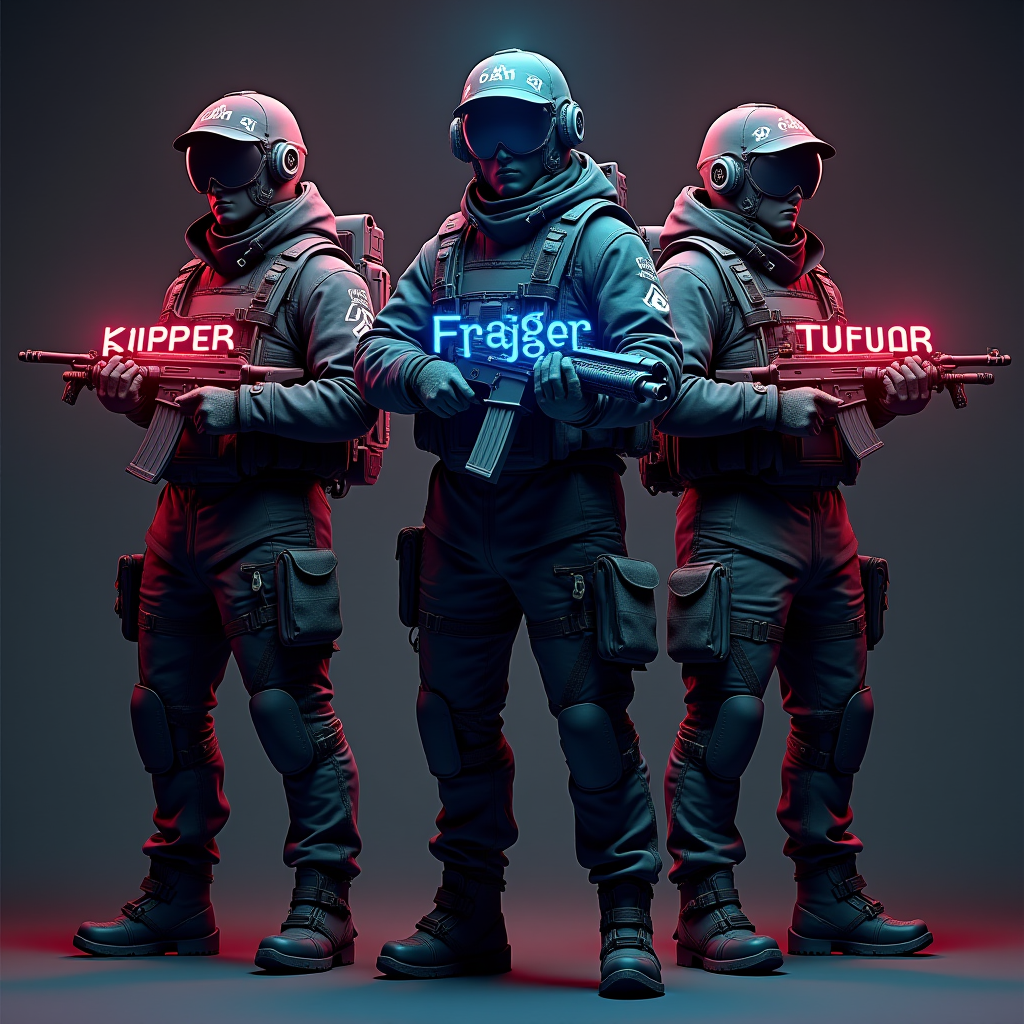
"Comms" (communications) has become a critical concept in competitive play, with phrases like "clean comms," "cluttered comms," and "comms discipline" describing communication quality. Good squads develop their own communication protocols, and the language around this reflects the importance of coordination. When someone says "comms are getting messy," it's a signal to refocus and communicate more efficiently. This meta-language about communication itself shows how sophisticated battle royale squad culture has become.
The concept of "vibes" has emerged as shorthand for squad chemistry and morale. "The vibes are off" means the team isn't clicking, even if individual performance is fine. "Good vibes only" squads prioritize positive atmosphere over pure competitive intensity. This language acknowledges that success in battle royale isn't just about mechanical skill—it's about social cohesion, emotional management, and creating an environment where everyone performs their best. The vocabulary around vibes legitimizes the social and emotional aspects of competitive gaming.
Terms like "griefing," "stream sniping," and "teaming" describe violations of community norms and create boundaries around acceptable behavior. When players call out these actions, they're not just describing what happened—they're invoking shared values about fair play and sportsmanship. This language helps communities self-regulate and maintain standards without formal enforcement mechanisms. The vocabulary itself becomes a tool for social control and community building.
Cross-Game Evolution: How Terminology Spreads and Adapts
One of the most fascinating aspects of battle royale terminology is how it spreads across different games and evolves to fit new contexts. Terms that originated in PUBG migrated to Fortnite, then to Apex Legends and Warzone, often taking on new meanings or nuances along the way. "Pushing" means something slightly different in each game based on movement mechanics and map design, but the core concept remains recognizable. This cross-pollination creates a shared battle royale culture that transcends individual titles.
Game-specific terminology also emerges and sometimes spreads to other titles. Apex Legends introduced "Ape" (aggressive pushing), which has been adopted by other battle royale communities. Fortnite's "cranking 90s" (building technique) became so iconic it's referenced even in games without building mechanics. Warzone's "loadout drop" created new strategic vocabulary around custom weapon acquisition. These game-specific terms enrich the overall battle royale lexicon and show how different games contribute to the shared culture.
The streaming and content creation ecosystem has accelerated terminology spread and evolution. When popular streamers coin new phrases or popularize existing ones, they can spread to millions of players within days. Terms like "cracked" and "beamed" gained widespread adoption partly through streamer usage. Content creators act as linguistic influencers, shaping how the community talks about the game and creating new expressions that capture emerging strategies or experiences. This dynamic relationship between content creators and players drives continuous linguistic innovation.
Regional variations also add richness to battle royale terminology. European players might use different terms than North American players, and Asian servers develop their own linguistic innovations. Yet the core vocabulary remains remarkably consistent globally, creating a truly international gaming language. When players from different regions squad up, they might have slight differences in terminology, but the fundamental concepts are universally understood. This global linguistic community is one of gaming's most remarkable achievements.
The Future of Battle Royale Language
As battle royale games continue to evolve and new titles emerge, the vocabulary will undoubtedly expand and adapt. New mechanics will require new terms, emerging strategies will need names, and fresh frustrations will demand expression. But the core function of this language—creating community, facilitating coordination, and building identity—will remain constant. Battle royale terminology has become more than just gaming jargon; it's a living language that reflects the values, experiences, and social dynamics of one of gaming's most popular genres.
Understanding this vocabulary isn't just about knowing what words mean—it's about recognizing how language creates belonging, shapes behavior, and builds communities. When you use terms like "third-partied," "ratting," or "hot drop," you're not just communicating information; you're participating in a shared culture, invoking collective experiences, and affirming your membership in a global gaming community. This is the true power of battle royale terminology—it transforms individual players into a connected community with shared language, values, and identity.
The next time you hear someone say they got third-partied while ratting near a hot drop, remember that you're witnessing more than just gaming communication—you're experiencing a sophisticated linguistic system that has emerged from millions of players working together to make sense of their shared experiences. This is gaming culture at its finest: organic, inclusive, constantly evolving, and deeply human. The language of battle royale is the language of community, and it's still being written by every player who drops into the arena.
Category: Gaming Culture & Language
Tags: Battle Royale, Gaming Slang, Squad Communication, Gamer Identity, Gaming Memes